A custom vape box may look simple when it is finished, but making one involves several production steps. The process usually starts with printing and continues through lamination, foil stamping, die-cutting, folding, assembly, and final inspection. Each step affects how the packaging looks, how accurately it fits the product, and how well it holds its shape during handling and shipping.
At YARK, we manufacture custom paper packaging for vape cartridges and other cannabis products. The production process depends on the box structure, paper material, artwork, finishing requirements, and order quantity. A standard folding carton and a box with a window, insert, or child-resistant feature may require different processing steps.
In this guide, we explain how custom vape boxes are made, what happens at each stage, and which details need attention before the finished packaging is ready to ship.
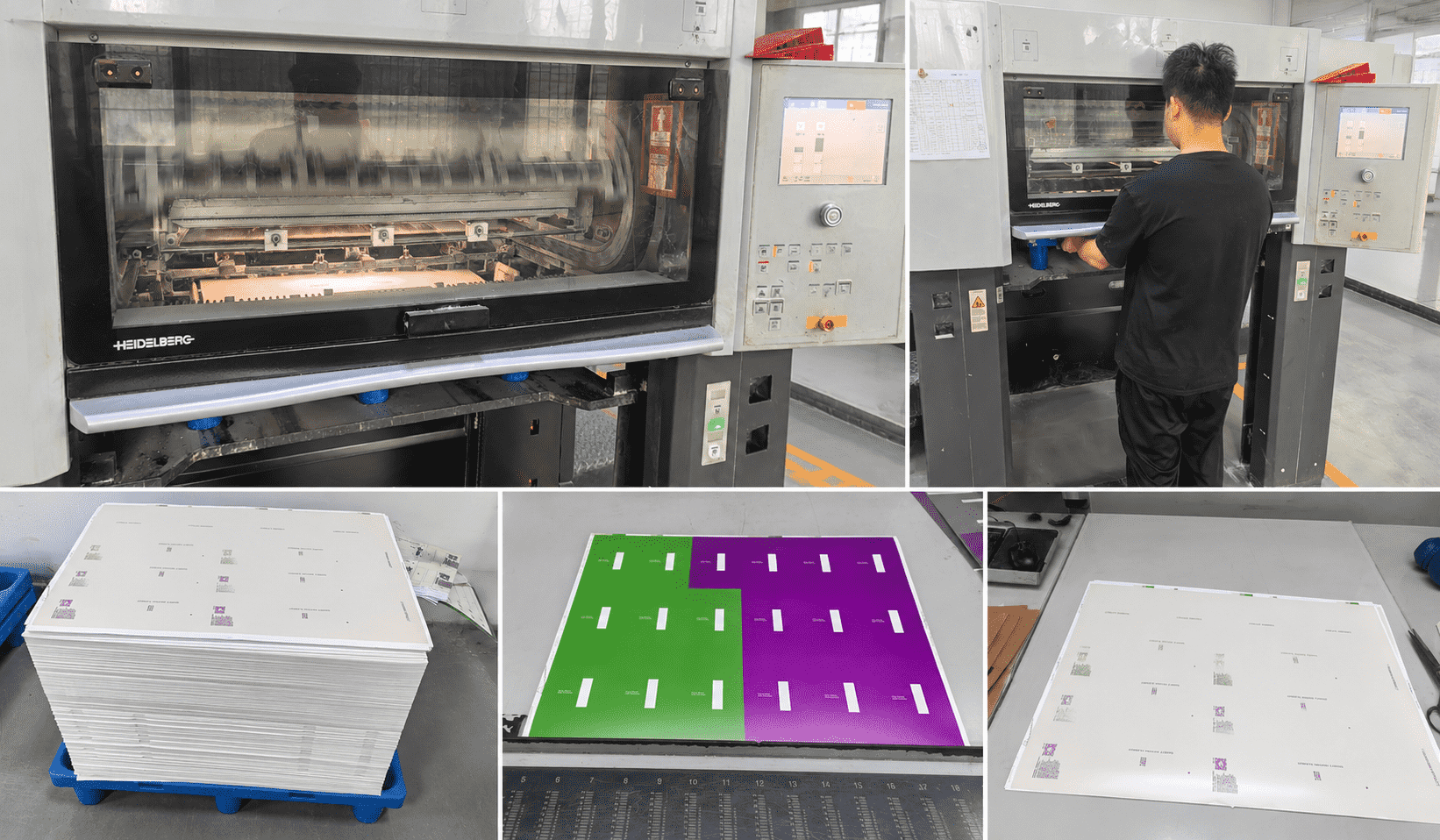
Step 1: Preparing the Artwork and Printing
Printing is the first major production stage. Before printing begins, the artwork needs to be checked against the approved packaging design and dieline. This includes the placement of the logo, product information, text, barcodes, QR codes, and other graphic elements. Text and important design details must remain within the correct print areas and away from folds or cutting lines where necessary.
YARK uses a Heidelberg five-color offset printing press for paper packaging production. Offset printing is suitable for orders that require consistent, detailed printing across multiple sheets. The artwork may use CMYK process colors, spot colors, or a combination of both, depending on the design.
CMYK printing combines cyan, magenta, yellow, and black to reproduce a wide range of colors. Spot colors are prepared for specific color requirements and can be useful when a brand needs a particular shade to remain consistent. The right printing setup depends on the artwork and the customer's color expectations.
During printing, the production team needs to pay attention to color consistency, registration, text clarity, and the overall appearance of the printed sheets. Small shifts in alignment can affect fine text, borders, and multi-color graphics. The printed result should also be reviewed with the approved artwork in mind, rather than judged by color alone.
Confirming the artwork and any special color requirements before mass production helps reduce avoidable revisions. For custom vape packaging, this is especially important when several product variations share a similar design but use different colors, product names, or printed information.
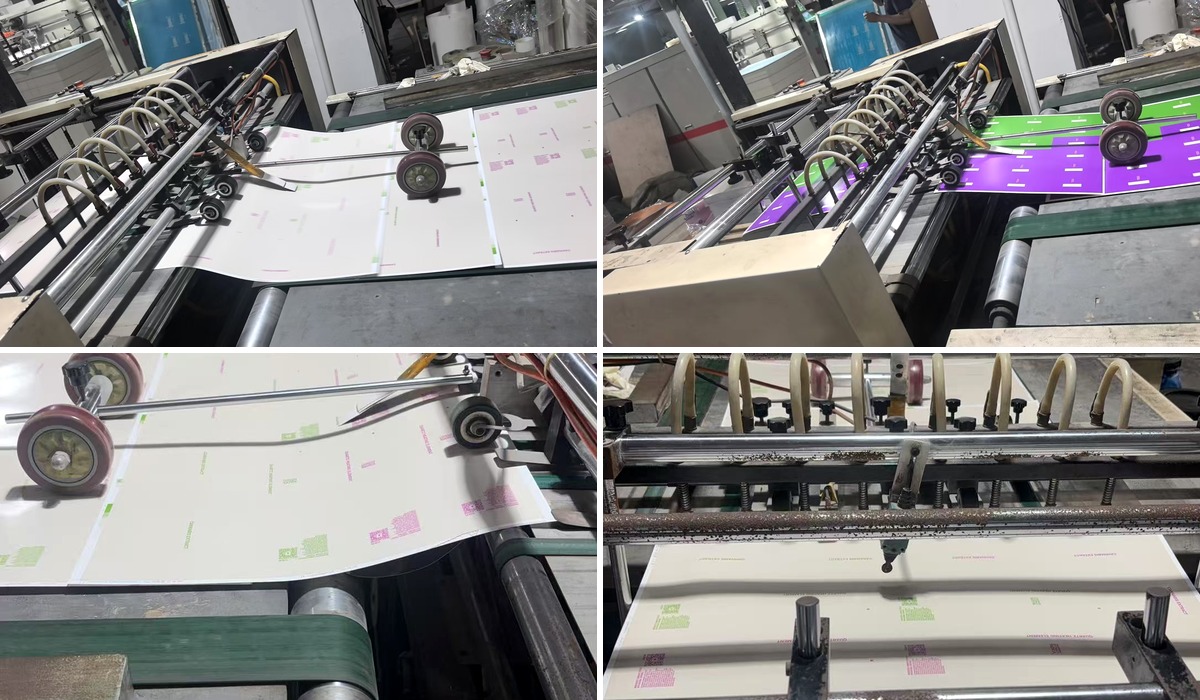
Step 2: Lamination and Surface Protection
After printing, a film can be applied to the paper surface to change its appearance and provide an additional layer of protection. This process is known as lamination. The choice of finish affects the look and feel of the finished box, so it should be considered as part of the packaging design rather than added as an afterthought.
The three common options are matte lamination, gloss lamination, and soft-touch lamination. Each creates a different surface effect and may suit a different brand style.
Matte Lamination Creates a low-gloss surface with a clean, understated appearance. It is often chosen for minimalist designs. | Gloss Lamination Adds a shiny surface that can make colors appear more vivid and give the packaging a brighter look. | Soft-Touch Lamination Provides a smooth, velvety feel that is often used for premium or gift-style packaging. |
Lamination also affects later processing. The laminated surface must be suitable for the selected finishing method, and the film should be checked for visible bubbles, wrinkles, scratches, or other surface defects. When foil stamping or other special finishes are planned, their compatibility with the selected material and surface treatment should be considered during production planning.
The best finish is not necessarily the most expensive one. It is the option that matches the artwork, the desired tactile effect, the packaging structure, and the customer's budget.
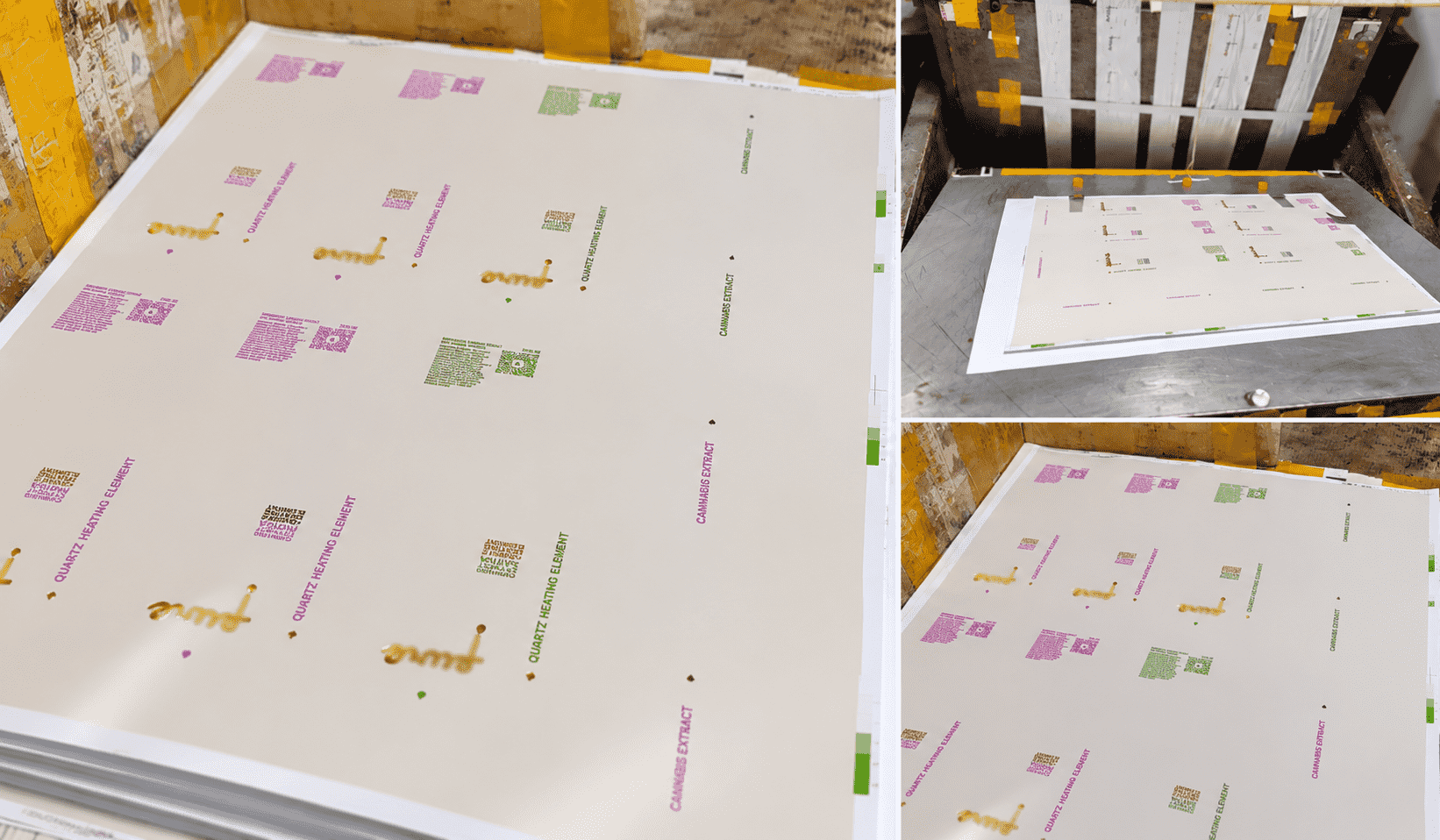
Step 3: Foil Stamping and Special Finishes
Special finishes help certain parts of the packaging stand out. For example, a brand may use metallic foil on its logo, product name, border, or decorative pattern. Gold and silver are common choices, although other foil colors may also be available depending on the project.
Foil stamping uses a prepared stamping die, heat, and pressure to transfer foil onto selected areas of the packaging. The result is different from ordinary printed ink because the foil creates a distinct metallic effect. The size, shape, and position of the stamped area all influence the final appearance.
The production team needs to check that the foil is positioned correctly and that the details are clear. Fine lines, small lettering, and intricate patterns require particular attention because they may be more sensitive to alignment and processing conditions. The finish should follow the approved artwork and maintain a consistent appearance across the order.
Embossing is another option for adding dimension. It raises selected areas of the paper, such as a logo or pattern, to create a tactile effect. Depending on the design, foil stamping and embossing may be used separately or combined. The suitability of each process depends on the paper, artwork, and structural design.
Special finishes should be planned before production starts. The artwork, stamping position, and finishing requirements need to be clear so that these details line up with the printed design and do not interfere with folds, cuts, or other structural features.
Step 4: Die-Cutting and Creasing
Once the printing and surface finishing are complete, the sheets move to die-cutting. A custom cutting die is made according to the approved dieline. It contains the cutting and creasing elements needed to turn a flat sheet of paperboard into the required box shape.
Cutting defines the outer edges, tabs, slots, windows, and other openings. Creasing creates controlled fold lines so the paperboard can bend in the intended places. Together, these features determine how the box folds, closes, and holds its shape.
Die-cutting accuracy matters because even a small dimensional error can affect assembly. A flap may not align properly, a tab may be difficult to insert, or a box may not close as expected. For boxes with windows or inserts, the position of each cut also needs to match the product layout.
The cutting layout must take account of the material and the box structure. Folding cartons made from paperboard are processed differently from rigid boxes that use greyboard and wrapped paper. The structural design determines the required material, cutting method, and assembly process.
Before proceeding, the cut pieces should be checked for the correct shape, clean edges, and properly positioned crease lines. A practical folding check can help identify issues that may not be obvious when looking at a flat sheet.
Step 5: Folding, Gluing, and Box Assembly
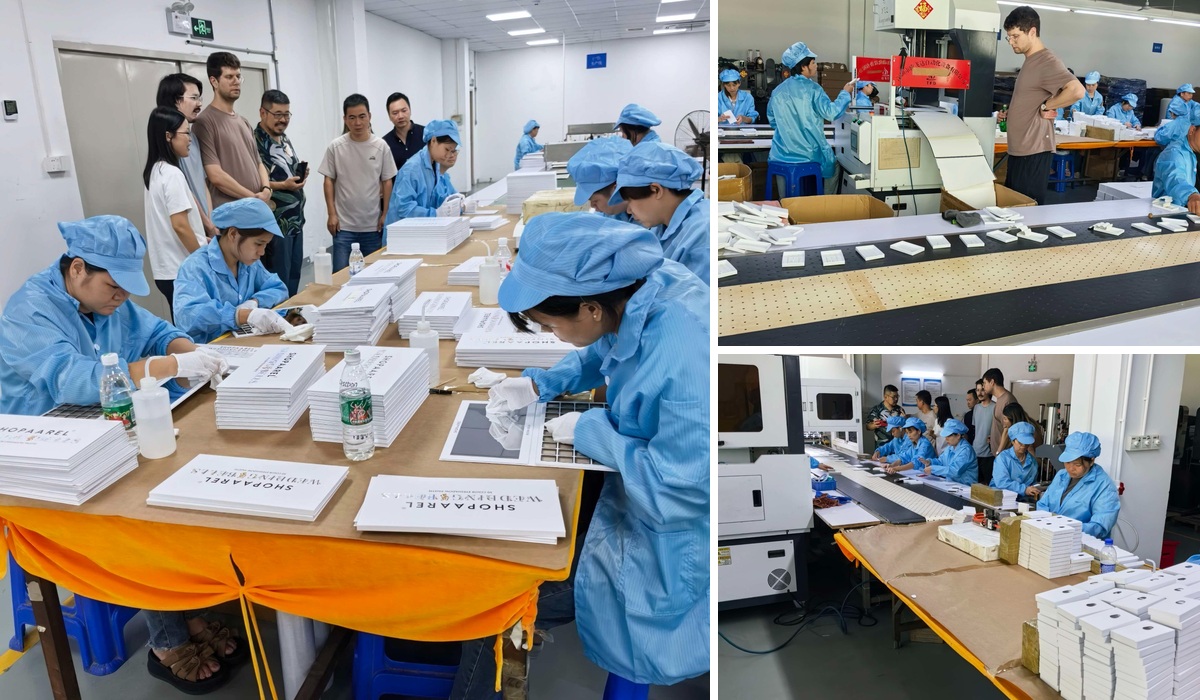
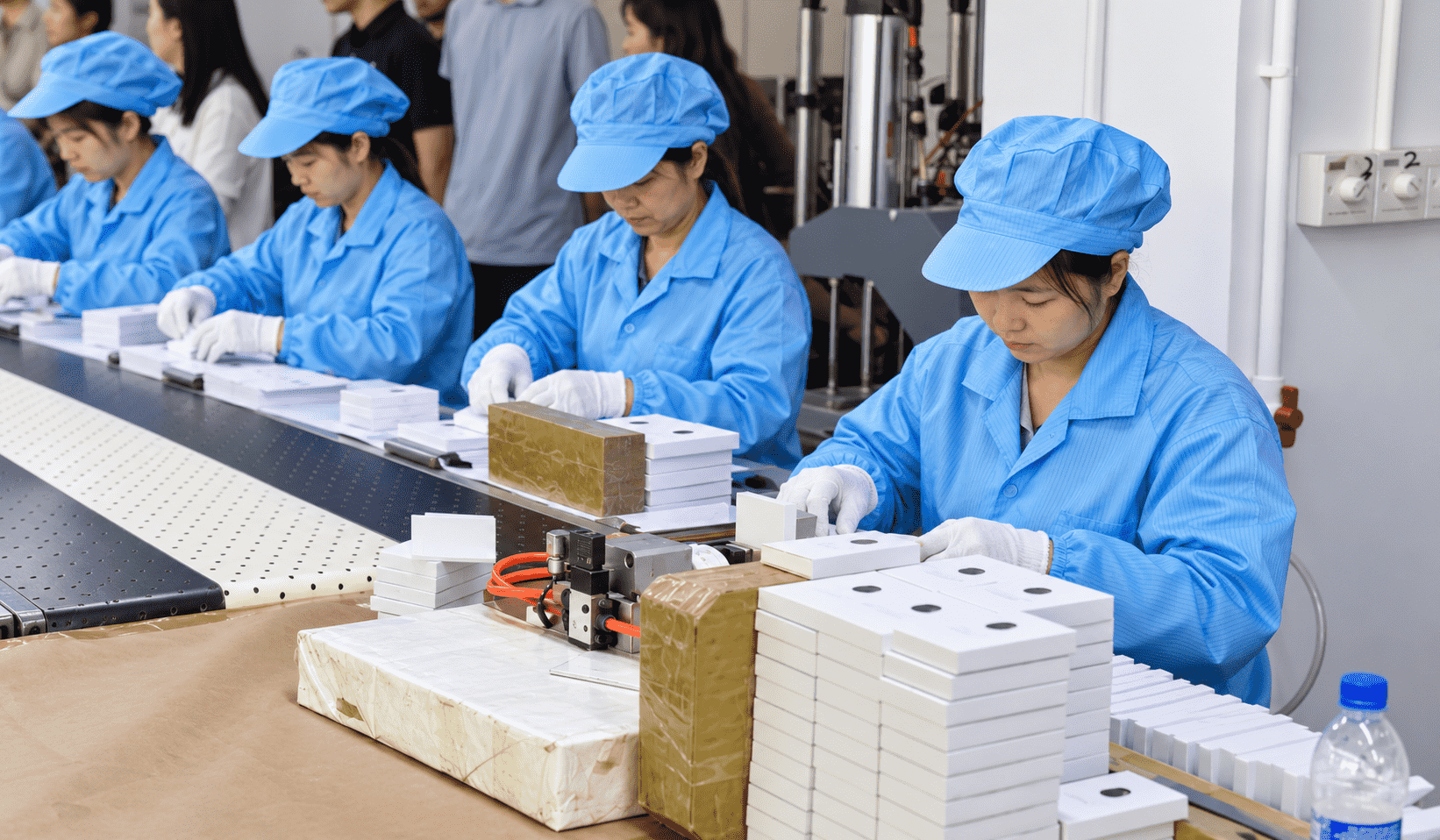
After die-cutting, the flat pieces are folded and assembled into finished boxes. Depending on the structure, assembly may involve folding and gluing equipment, positioning equipment, pressing equipment, and manual work. Some packaging designs are relatively straightforward, while others require more careful alignment of several parts.
Before assembly begins, incoming materials should be checked for visible damage or defects. The printed surface, cutting edges, folds, and glue areas all affect the finished product. Identifying issues early can help prevent defective pieces from moving further down the production line.
During assembly, workers need to follow the approved structure and keep the panels, flaps, and other parts correctly aligned. Glue should be applied to the intended areas, and the assembled box should be pressed or positioned as required by its construction. Poor alignment or insufficient bonding can affect the box's appearance and its ability to hold together during normal handling.
Some custom vape boxes also include inserts, windows, locking features, or other structural details. These require additional attention during assembly to make sure the parts fit correctly and the product can be placed inside as intended.
For child-resistant packaging, the process depends on the selected design. Certain structures may require specific holes, slots, tabs, or locking components. These features must be assembled in the correct position, and the completed structure needs to be checked for proper operation. Visual inspection alone should not replace any functional testing required for the particular product or market.
Good assembly is not only about making the box look neat. It also ensures that the structure matches the approved design, the closure works as intended, and the finished packaging is ready for inspection and packing.

Step 6: Final Inspection and Packing
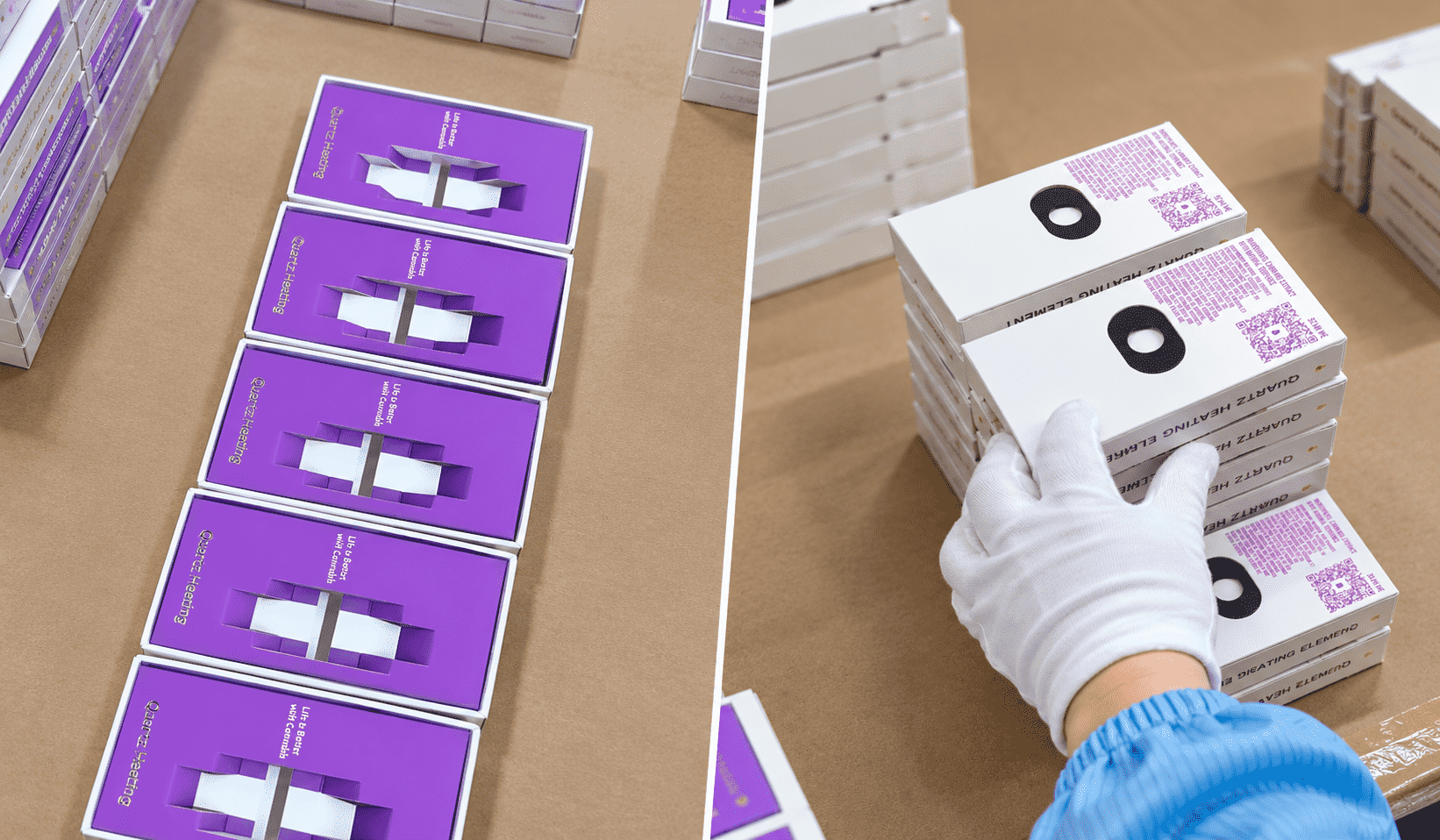
Final inspection takes place after the boxes have been assembled and before they are packed for shipment. At this stage, the team checks the overall appearance and construction of the finished packaging. The exact inspection points depend on the box design, finishing requirements, and customer specifications.
Typical checks include print alignment, color consistency, foil position, surface scratches, lamination quality, cutting accuracy, glue marks, folding, and the overall shape of the box. The packaging should also be checked for obvious defects such as damaged corners, dirty surfaces, loose parts, or panels that do not sit correctly.
Dimensions and fit are important when the box is designed for a particular cartridge, device, insert, or other component. Where required, the packaging can be checked against the approved dimensions or a reference sample. Boxes with special closures or child-resistant structures may need additional checks specific to those features.
Inspection helps separate pieces with visible defects before the order is packed. Packaging is then arranged and protected for shipment according to the order requirements. Proper packing helps reduce the risk of surface damage, crushed corners, and other problems during transportation.
A consistent final inspection process helps ensure that the delivered packaging matches the approved design as closely as possible. Clear specifications and confirmed samples make this process more effective because the production team has a reference for what the finished box should look like.
What Factors Affect Vape Box Production?
Not every custom vape box follows exactly the same production route. The process and lead time depend on the materials, structure, printing, finishing, and assembly requirements. The following factors should be considered when planning a packaging project.
1. Box Structure and Material
A standard folding carton, a rigid box, and a box with a custom insert require different processing methods. Material thickness and construction affect how the box is cut, folded, assembled, and packed. Confirming the structure and dimensions early helps avoid changes after production has started.
2. Printing and Color Requirements
Artwork complexity, spot colors, fine text, and the number of design variations can affect print preparation and inspection. When color is important to brand consistency, the required color references and approval method should be confirmed before the full order is produced.
3. Special Finishing
Lamination, foil stamping, embossing, and other finishing options add processing steps. Their suitability depends on the artwork, paper surface, and structure. More complex combinations may require additional coordination and quality checks.
4. Special Structural Features
Windows, inserts, locking mechanisms, and child-resistant features can make a box more complicated to produce. These details should be included in the structural design and checked during assembly so the packaging fits the product and functions as intended.
5. Order Quantity and Sample Approval
Order quantity affects production planning and how the work is organized. Sample approval is also important because it allows the customer to review the structure, appearance, and fit before mass production. Finalizing artwork, dimensions, materials, and finishing requirements in advance helps reduce avoidable changes.
How to Prepare for a Custom Vape Packaging Project
A smooth production process starts with clear project information. Before requesting a quotation or starting a new order, it helps to prepare the following details:
Product dimensions and the type of item the box needs to hold.
Preferred box structure, material, and any insert or window requirements.
Artwork files, logo, product text, and required color references.
Desired surface finish, such as matte, gloss, soft-touch, foil stamping, or embossing.
Order quantity, target delivery schedule, and any specific inspection requirements.
Any required child-resistant structure or other functional packaging feature.
If the structure has not been finalized, the packaging supplier can help review the dimensions and proposed construction before the dieline and production specifications are confirmed. Clear communication at this stage makes it easier to identify potential issues before they affect the production schedule.
Custom Vape Box Manufacturing at YARK
Custom vape packaging is more than a printed carton. The structure, material, finishing, and assembly all need to work together. A good-looking design must also be practical to manufacture, suitable for the product, and consistent with the approved specifications.
YARK provides custom paper packaging solutions for vape cartridges and other cannabis products. We support projects involving box structure, printed artwork, surface finishes, die-cutting, and assembly. The production approach is selected according to each project's requirements rather than using the same process for every box.
If you are developing new vape cartridge packaging, you can explore our product page to see the types of custom paper packaging available and discuss a solution that fits your product and brand.
Looking for Custom Vape Cartridge Packaging?
From paperboard material and box structure to printing and special finishes, YARK can help you develop custom packaging for your vape cartridge products.